
Most people think personal branding means having a logo and a nice photo on LinkedIn. In reality, it is built from seven specific key elements of personal branding working together. Miss one and the whole presence feels incomplete, even if your audience cannot quite explain why.
Before diving into those components, it helps to be clear on what personal branding means at a leadership level—it is not social media vanity, but the deliberate management of your professional reputation. Below, we break down each of the seven elements and why they matter for founders and executives building authority in Egypt and the region.
Key Takeaways About Key Elements of Personal Branding
- Seven Connected Components: Effective personal branding relies on positioning, target audience, brand values, visual identity, voice, proof of expertise, and a managed digital footprint.
- Strategy Before Design: Define your positioning statement and audience before investing in logos, portraits, or visual assets.
- Evidence Over Claims: Verifiable outcomes, project lessons, and industry commentary build far stronger B2B trust than self-promotional statements.
- Search Visibility: Managing what appears on Google when partners search your name is essential before high-stakes meetings.
The 7 Key Elements of Personal Branding Explained
1. A clear positioning statement
This is one sentence that says what you want to be known for. Not your job title, your actual positioning. “Real estate executive” is a job title. “The person who makes mixed-use development work for Egyptian families” is a positioning statement. Without this, every other element has nothing to support.
2. A defined target audience
You cannot build a personal brand for everyone. Decide exactly who needs to know you, whether that is investors, potential clients, industry peers, or future employers. The clearer this is, the easier every other decision becomes.
3. Brand values
These are the principles that guide how you work, not generic words like “integrity” that everyone claims. Specific values, clearly stated, help people understand what to expect from you before they ever work with you directly.
4. Visual identity
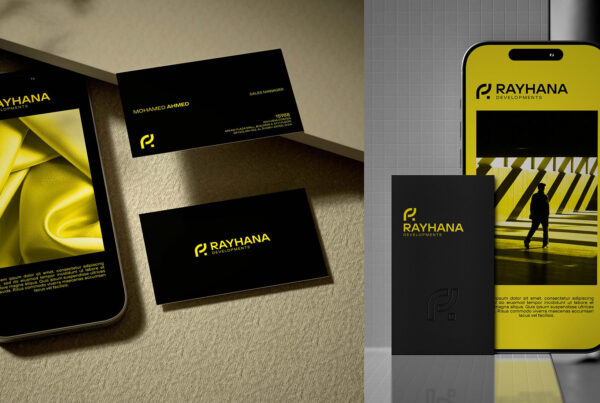
A consistent professional photo, the same look across every platform, and a presentation style that matches your positioning. This is one of the key elements of personal branding people focus on first, but it works best when it comes after the elements above, not before.
For a deeper look at how to align your colors, typography, and design rules across every touchpoint, see our breakdown of what goes into a branding style guideline, and HubSpot’s guide to building a brand identity offers a great framework.
5. A consistent voice
How you sound when you write a LinkedIn post should match how you sound in a meeting. Inconsistent tone is one of the fastest ways to make a personal brand feel unclear, even when everything else is in place.
6. Proof of expertise
Claims without proof do not build trust. Specific outcomes and real project results are two of the most overlooked personal brand components, and they carry far more weight than confident statements about how good you are.
7. A managed digital footprint
What does Google show when someone searches your name? In Egypt, where people increasingly research a person before a first meeting, this has become one of the most important key elements of personal branding, and one of the most neglected.
Why These Elements Matter More in Egypt
In a business culture where relationships and trust drive most high-stakes decisions, having these seven elements clearly in place means partners and investors already understand what you stand for before you walk into the room—ensuring Egyptian executives are remembered long before a first meeting takes place.
Call us Whats appA Quick Self-Audit Checklist
Go through each element and ask honestly: do I have this clearly defined? Most professionals find they have two or three elements strong and the rest undefined. That gap is exactly where to focus first.
FAQs About Key Elements of Personal Branding
Which of the key elements of personal branding should a leader build first?
Start with your positioning statement and target audience before touching visual design. Knowing exactly what you want to be known for—and which investors, partners, or clients need to know it—gives every other component direction. Visual identity, messaging, and digital touchpoints only work when they reinforce a clear strategic position.
Why is visual identity alone not enough for a strong personal brand?
A polished portrait or personal logo creates a strong first impression, but commercial trust depends on substance and consistency. Without a defined voice, clear brand values, and verifiable proof of expertise behind the visuals, an executive presence quickly feels superficial—especially to sophisticated B2B decision-makers and investors.
What counts as proof of expertise in confidential or NDA-heavy industries?
You do not need to disclose confidential client names or private deal figures to prove market authority. High-value partners look for how you think: strategic frameworks, sharp market commentary, lessons from anonymized projects, conference speaking, and credible press features all demonstrate real competence without breaching confidentiality.
How important is a managed digital footprint if I rarely post on social media?
It is critical, because partners, boards, and investors still search your name on Google and LinkedIn before a first meeting. Even if you prefer a low-key public presence, ensuring your top search results, executive bio, and visual assets are accurate and current prevents an outdated or empty profile from undermining your seniority.
Do all seven elements need to be perfected before launching a public presence?
No. Trying to perfect every component at once usually delays execution indefinitely. Lock in your positioning statement, target audience, core visual standards, and primary profile first, then expand your proof points, editorial voice, and broader digital footprint systematically over time.
To Summarize
These seven key elements of personal branding work as one connected system, not isolated checklists. Once your positioning, visual standards, and proof points are aligned, your reputation compounds with every meeting and every piece of content you publish. If you want an experienced partner to audit and build these components around your leadership profile, explore our executive branding services or reach out to Native Studio directly to map out your next step.