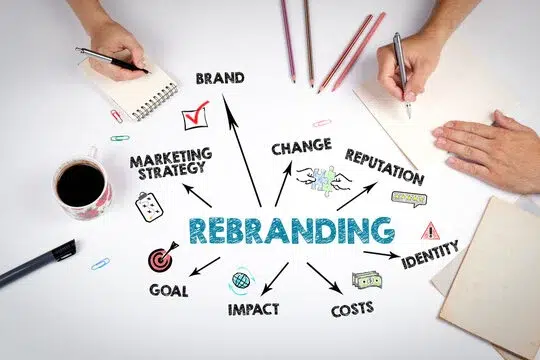
You cannot buy a multi-million-dollar corporate reputation with a standalone graphic. Yet, the difference between logo and branding trips up many business owners and C-suite executives before a project even starts. Because these terms are used interchangeably in casual conversation, companies often underbuy—purchasing a simple icon when they actually need a comprehensive visual identity system.
As a premium branding agency, Native Studio begins every client engagement by clarifying this exact distinction. Understanding the true difference between a logo and a brand early on is what prevents fragmented marketing, wasted corporate budgets, and the inevitable need to fix your market presence later.
The short version of the difference between logo and branding
To truly understand the difference between logo and branding, you must look at them not as interchangeable terms, but as an isolated asset versus a comprehensive ecosystem:
- A Logo (The Asset): A single visual mark—a symbol, a wordmark, or an icon. It is the signature on the document. Put simply: a logo is what people recognize.
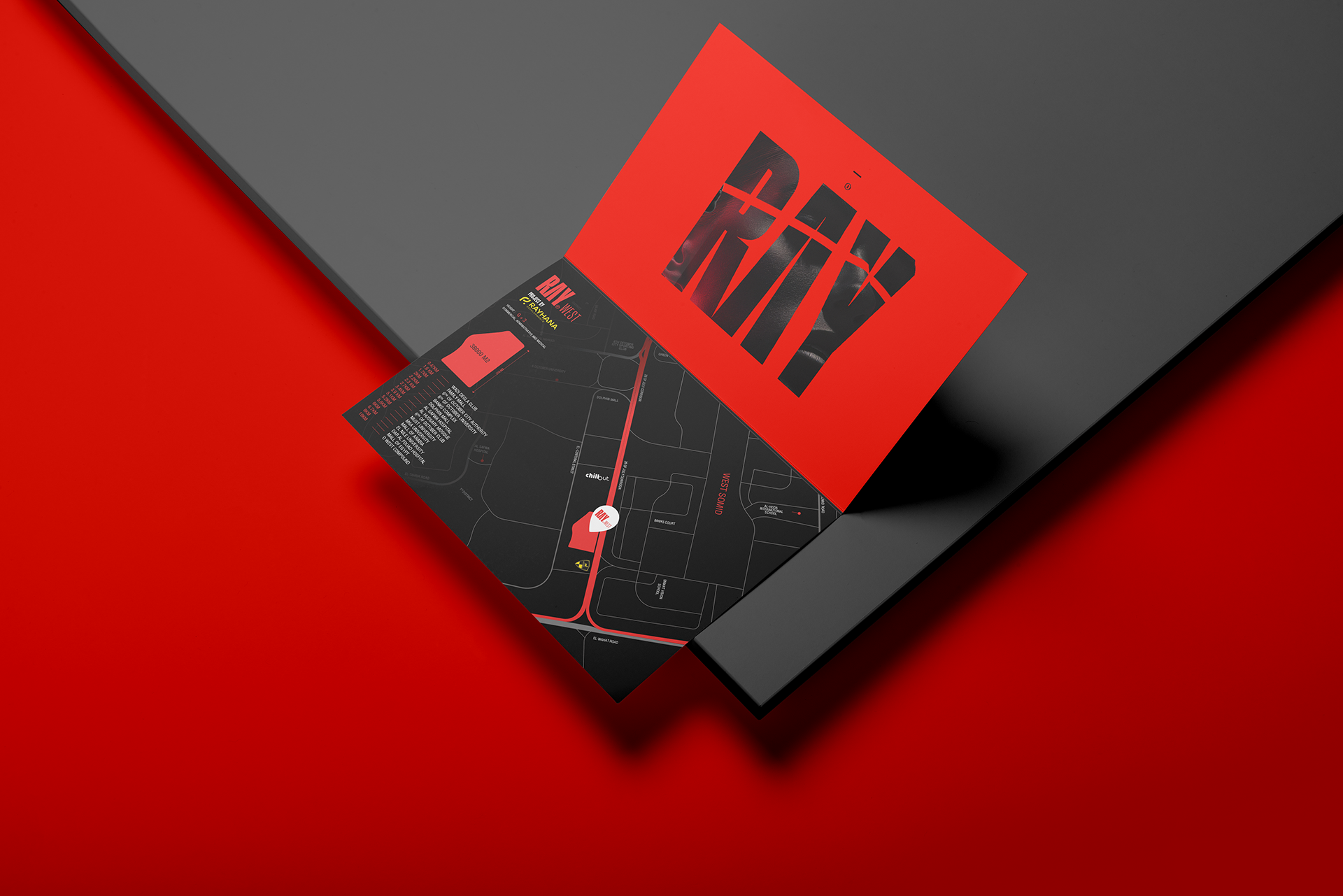
- Branding (The Ecosystem): The strategic framework that gives that logo meaning. It includes your market positioning, competitive edge, tone of voice, color psychology, and strict guidelines. Put simply: branding is why people trust what they are recognizing.
The true difference between logo and branding is the leap from an isolated graphic to a highly engineered system built to hold a corporation together.
Call us Whats appHow the Difference Plays Out in Practice
A business armed with only a logo quickly develops a fragmented market presence. The website uses one font, the Instagram grid uses another, and the high-ticket sales brochure looks like it belongs to a completely different company. This inconsistency creates cognitive friction for potential investors. Without a comprehensive visual identity system, a logo has no infrastructure tying it to the rest of the company’s touchpoints.
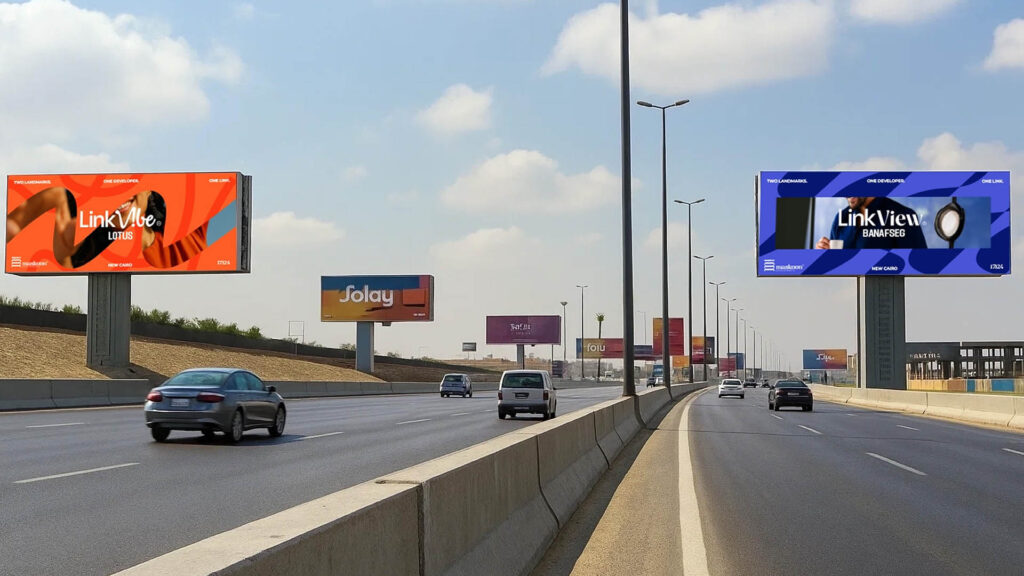
A branded business, by contrast, feels like an immovable, coherent entity no matter where a customer meets it. Whether a client is looking at a massive outdoor billboard, browsing a digital portfolio, or reading a WhatsApp reply from the sales team, they experience the exact same premium visual language and emotional tone.
Why This Difference Matters for Business Owners
Understanding the difference between logo and branding fundamentally changes how a business owner should approach agency hiring, budgeting, and corporate expectations:
- Accurate Budgeting: A logo-only project costs a fraction of a full branding ecosystem. Comparing agency quotes without understanding this distinction leads to unfair comparisons and, ultimately, choosing an inadequate service.
- Avoiding Premature Rebrands: Companies often redesign their logos repeatedly because the underlying brand strategy was never defined. The logo constantly feels “wrong” because there is no strategic foundation for it to express.
- Building Permanent Equity: Logo trends fade rapidly. A well-defined brand strategy remains relevant even as visual trends shift because it is rooted in the business’s core DNA.
- Structural Alignment: Before executing any design, leadership must align its internal goals with its external presence. Resolving the boundaries of corporate identity vs brand identity ensures the final branding matches the institutional weight of the business.
 How this plays out at Native Studio
We treat the difference between logo and branding as the starting point of every corporate conversation because it dictates the entire trajectory of the project.
Some localized projects genuinely only require a visual identity refresh. However, high-stakes enterprises—especially real estate developers with multiple projects, holding companies with several service lines, or founders scaling across the GCC and Europe—need the full system. Through our comprehensive branding services, we architect complete brand strategies, content pipelines, and digital presences that work together as one coherent, premium identity. We scope every project around what the business actually needs to dominate its sector, rather than assuming one size fits all.
Not Sure Which One You Need?
If you’re unsure whether your business needs a full brand identity or just a visual refresh, Native Studio’s team can help you figure out the right scope before you spend on the wrong thing.
Call us Whats appFAQs About the Difference Between Logo and Branding
What is the main difference between a logo and branding?
A logo is a single visual symbol used to identify a company. Branding is the comprehensive strategic system—including your market positioning, tone of voice, typography, color psychology, and visual guidelines—that dictates how the market perceives and trusts your company. A logo identifies; branding sells.
Can I design a logo first and build the brand identity later?
This is a common and costly mistake. Designing a logo without a foundational brand strategy often results in a mark that does not align with your company's long-term B2B goals. A logo should be the final visual manifestation of a solid brand strategy, not an isolated starting point. Doing it backwards usually forces a premature and expensive redesign.
Why does a full branding project cost more than a standalone logo?
A standalone logo is merely a graphic design deliverable. A full branding project is a strategic corporate investment that includes deep market research, competitive positioning, and the creation of comprehensive identity guidelines. You are not just paying for a graphic; you are investing in a cohesive market presence designed to increase your corporate valuation and command premium pricing.
Can a B2B enterprise or real estate developer survive with just a logo?
While a company can technically operate with just a logo, it will struggle to secure high-ticket clients. In sectors like real estate and enterprise B2B, a fragmented visual presence (using a logo without a cohesive brand system) signals amateurism. High-net-worth investors and partners require the absolute consistency and trust that only a complete branding ecosystem can provide.
How do I know if my company needs a logo refresh or a complete rebrand?
If your core business model, target audience, and corporate goals have evolved, you need a complete rebrand to align your strategy with your new market position. However, if your strategic foundation is still incredibly strong and accurate, but your visual mark simply looks outdated compared to modern competitors, a logo refresh (modernizing the design while keeping the brand DNA) is sufficient.
Conclusion: Stop Buying Logos, Start Building Equity
If you are still asking for “just a logo,” you are severely underestimating the visual requirements of the modern B2B market. As highlighted by Forbes Communications Council insights on brand consistency, maintaining a unified, strategic brand across all platforms is critical to building absolute customer trust and protecting your corporate reputation. Ultimately, the true difference between logo and branding comes down to this: a logo identifies you, but branding sells for you. It is time to stop investing in isolated graphics and start engineering a comprehensive market presence.