You’re stuck in traffic on the Ring Road, half-watching the cars ahead, when one board actually makes you look twice—not because it’s flashing or loud, but because it says something in six words that a thirty-second ad couldn’t say in six minutes. That’s OOH advertising doing its job in the one place it’s impossible to skip, mute, or scroll past.
While digital feeds are saturated with skippable posts, OOH advertising (Out-Of-Home) remains one of the few channels where a brand can capture guaranteed, uninterrupted consumer attention.
What Actually Counts as OOH Advertising?
At its core, OOH advertising covers any commercial message a person encounters outside their home and off their personal screens. This includes traditional highway billboards, digital out-of-home (DOOH) screens, transit signage, mall displays, and high-impact posters in business districts.
Unlike digital marketing, OOH advertising doesn’t require a user to opt in, click, or stay on a page. It meets audiences during their daily routines, creating organic visual touchpoints that build long-term brand equity.
Contact Us Whats AppWhy OOH Advertising Works When Everything Else Is Digital
It’s tempting to assume outdoor media is old-fashioned next to search and social campaigns. In practice, the opposite is true:
- Unfiltered Visibility: As digital feeds become noisier, a well-executed highway billboard campaign strategy stands out precisely because it isn’t competing with fifty other posts on a smartphone screen.
- Repetition Through Daily Routines: Physical placement reaches commuters repeatedly—on the same daily route, mall entrance, or office lobby—building familiarity through physical presence rather than social media algorithms.
- The Trust Effect: A brand large enough to occupy a physical billboard subconsciously signals financial stability, market dominance, and scale. This is why property developers, financial institutions, and enterprise brands rely heavily on OOH advertising during high-stakes product launches.
The Formula for High-Performing Outdoor Campaigns
Not all boards deliver equal ROI. Separating a memorable campaign from an ignored media spend requires mastering a few non-negotiable creative rules:
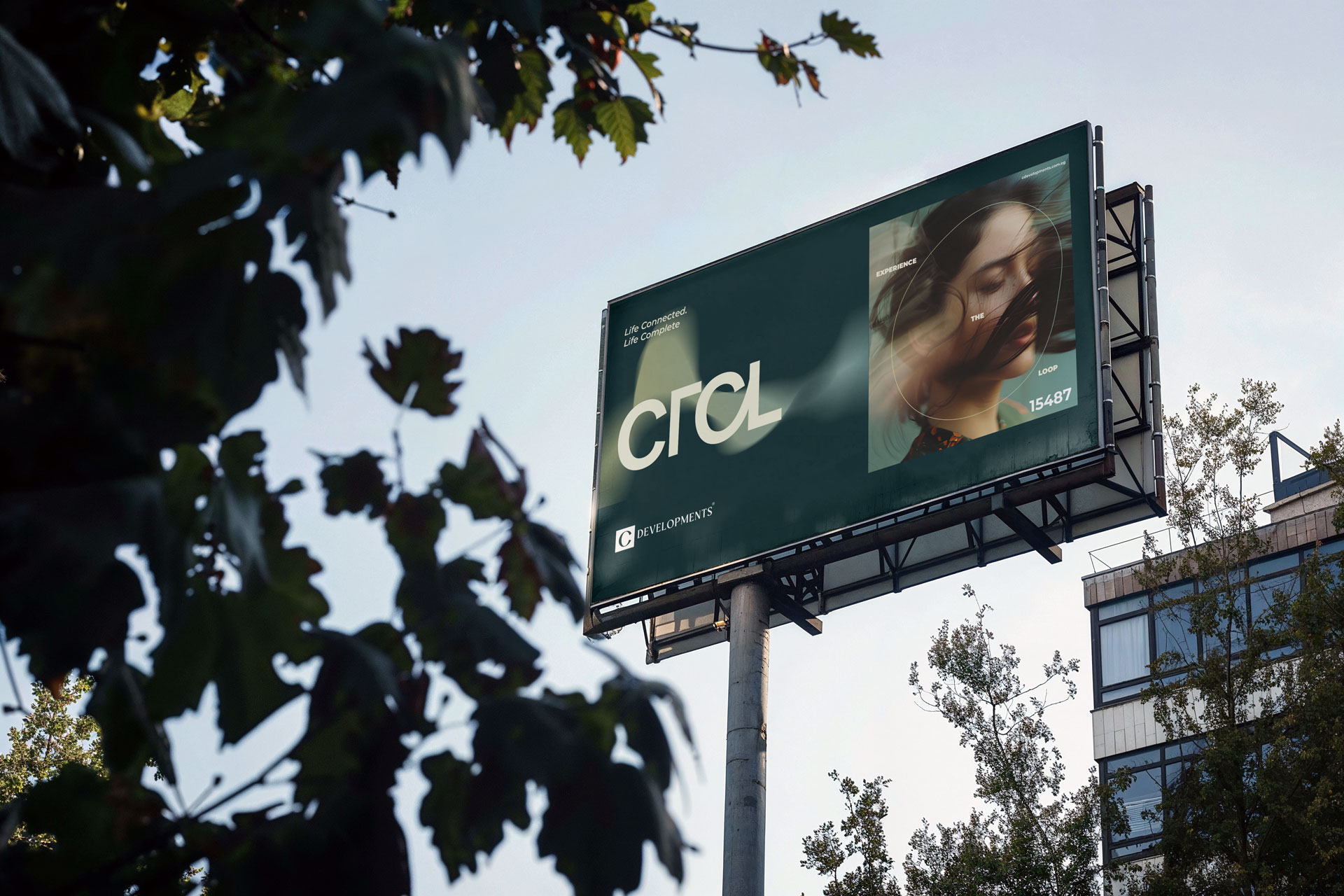
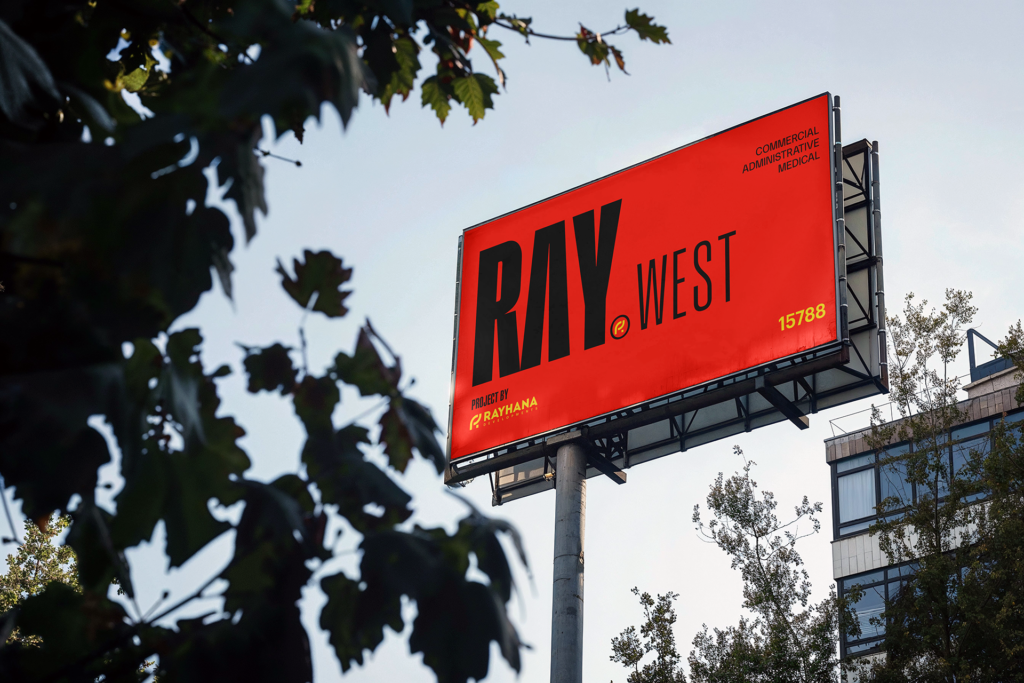
- Extreme Simplicity: Drivers have two to three seconds. OOH advertising that tries to convey complex details ends up conveying nothing.
- Instant Visual Identity: Color palettes, typography, and visual assets must instantly communicate the brand identity even before a viewer reads the logo.
- Strategic Placement: Aligning locations with target audience mindsets—such as high-speed highway commuters versus relaxed mall shoppers—yields far better engagement than buying leftover inventory.
- Cross-Channel Alignment: An outdoor board that fails to match your Instagram or website creative wastes the psychological power of multi-touchpoint repetition.
Engineering High-Impact Billboards: The Native Studio Advantage
At Native Studio, we don’t treat outdoor boards as standalone graphic design tasks. We engineer OOH advertising as a high-visibility extension of a company’s core market positioning.
Outdoor media requires a distinct visual science: high contrast, zero clutter, and typography structured for 80 mph readability. Having structured full-scale launch campaigns and highway billboard campaign strategy frameworks for prominent developers—such as C Developments, EHD, Salam Properties, APlus, and Golden View—our team knows how to translate heavy corporate messaging into split-second, memorable visual statements.
Where OOH Advertising Fits in Real Estate Launches & Campaigns
Modern OOH advertising rarely operates in a silo. The highest-converting launches pair physical billboards with synchronized digital messaging.
When a prospective buyer notices a highway board and later encounters the exact visual on their social feed, landing page, or sales gallery collateral, the interaction feels like a single, unified brand experience. In high-consideration sectors like real estate, OOH advertising builds broad market authority and launch awareness, while digital channels and sales teams capture and convert the resulting demand.
 Ready to Launch an Outdoor Campaign That Commands Attention?
Move your brand beyond skippable digital feeds. Connect with Native Studio to execute a high-impact OOH advertising campaign tailored to your market.
Contact Us Whats App