
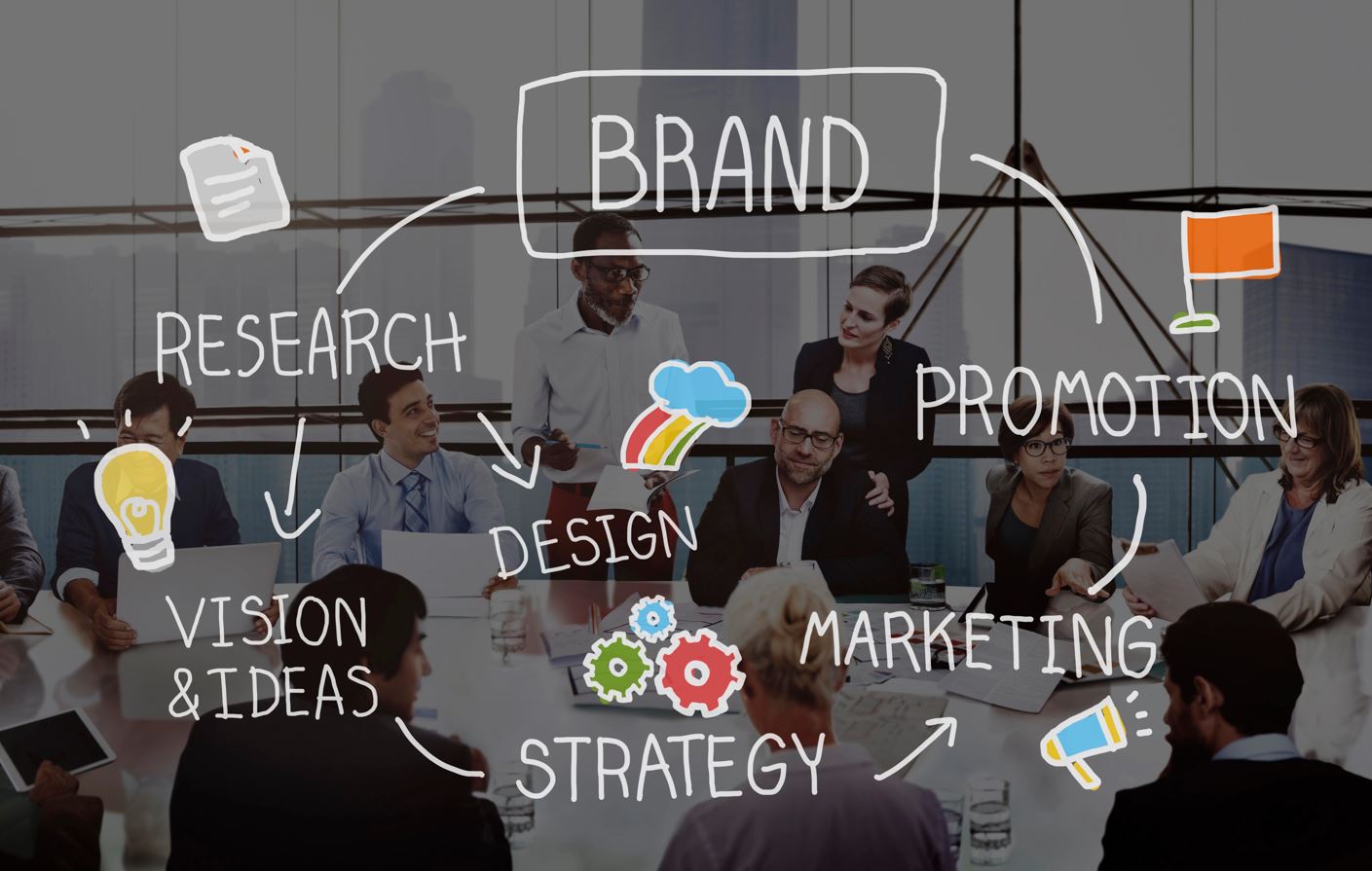
Market dominance is not a byproduct of product superiority alone. In highly competitive commercial landscapes, products can be cloned, features can be replicated, and pricing models can be undercut. The only sustainable barrier to entry is a meticulously architected corporate brand. A corporate brand acts as an institutional economic moat, shifting client perception from a transactional vendor evaluation to an emotional, long-term alignment.
This blueprint provides an exhaustive, operational framework for enterprise leaders, marketing directors, and growth-stage founders looking to establish absolute authority across local and international markets.
Phase 1: Strategic Foundation and Competitive Market Positioning
Every sustainable corporate entity requires an underlying strategic infrastructure before a single visual asset is rendered. Without clear commercial positioning, creative executions become entirely subjective exercises that fail to produce measurable business outcomes.
The Mechanism of Market Differentiation
To dominate a crowded vertical, a corporation must clearly define its market positioning. This begins by evaluating the intersection of three core vectors: internal capabilities, competitive vulnerabilities, and underserved market demand. Companies must choose between three foundational strategic orientations:
-
Operational Excellence: Delivering unmatched value through systemic efficiency, scalability, and seamless execution.
-
Product Leadership: Maintaining dominance through relentless innovation, advanced feature sets, and pioneering methodologies.
-
Customer Intimacy: Cultivating intense client loyalty through hyper-customization, deep consultations, and tailored delivery ecosystems.
Attempting to claim dominance across all three vectors dilutes market perception. A truly robust corporate architecture requires selecting one primary orientation while maintaining industry-standard baselines across the remaining two. This selection dictates the entire trajectory of the corporate messaging framework.
Formulating the Brand Positioning Statement
A corporate positioning statement is an internal North Star that guides every commercial message, marketing campaign, and corporate presentation. It must explicitly state the exact target demographic, the specific market category, the primary operational pain point, the proprietary solution, and the definitive proof of capability.
The structural matrix follows this exact logic: For enterprise organizations within specific high-growth sectors who are dissatisfied with current legacy limitations, our corporate entity provides a transformative service delivery model that guarantees operational continuity. Unlike standard market alternatives, our proprietary framework accelerates delivery metrics while de-risking capital expenditure.
Developing the Corporate Core Narrative
The core narrative transforms the positioning statement into an external-facing, emotionally resonant asset. It details the corporate origins, the systemic industry problems the organization was founded to solve, and the future vision the company is actively constructing. This narrative must be systematically mapped out across all corporate touchpoints, ensuring that whether a prospective partner interacts with a sales deck, a press release, or an executive presentation, the core thesis remains entirely unified.
To construct a comprehensive organizational framework that successfully wins market share across competitive territories, leadership teams must invest in an unshakeable, data-driven Branding & Strategy paradigm that aligns long-term commercial goals with market realities.
Phase 2: The Visual Identity System and Design Psychology
Once the strategic positioning is solidified, it must be translated into an authoritative visual vocabulary. The visual identity system is the immediate, non-verbal communication of an organization’s scale, reliability, and competence.
[Corporate Strategy] ──> [Visual Identity System] ──> [Market Perception]
          │                         │                        │
     Positioning              Color Dynamics             Authority
     Core Value               Typographic Scale          Trust
     Target Vector            Asset Cohesion             Scale
The Psychology of Visual Assets and Logo Creation
A corporate logo is not an artistic illustration; it is a hyper-distilled signature designed for instant recognition and psychological anchoring. It must perform flawlessly across diverse media, from high-resolution digital interfaces to corporate physical signage.
When developing a corporate mark, geometric precision and scalability take precedence over complex ornamentation. The structural anatomy of a dominant logo relies on:
-
Simplicity and Memorability: Minimizing cognitive load so the mind processes and recalls the shape within milliseconds.
-
Versatility: Maintaining absolute legibility when scaled down to a 16×16 pixel favicon or scaled up to a massive physical event billboard.
-
Appropriateness: Ensuring the visual weight, curves, and angles align with the industry vertical. Financial or real estate enterprises demand structural stability and sharp, secure angles, whereas technology or creative firms leverage forward-leaning, dynamic geometry.
To establish this visual authority permanently in the minds of enterprise buyers, organizations must implement a comprehensive Logo Creation methodology that strikes a balance between aesthetic sophistication and functional, cross-platform utility.
Chromatic Strategy and Color Systems
Colors evoke predictable psychological and physiological responses. A dominant corporate color palette requires a primary dominant tone, a secondary supporting tone, and a high-contrast accent tone.
| Color | Primary Psychological Association | Ideal Enterprise Application |
| Deep Navy / Cobalt Blue | Institutional trust, stability, corporate governance, security | Financial institutions, enterprise software, and legal firms |
| Monochrome Black / Charcoal | High-end exclusivity, premium positioning, timeless authority | Luxury brands, tier-one consultancies, premium architectural studios |
| Emerald / Forest Green | Wealth, sustainable growth, ecological responsibility, renewal | Asset management, green tech, corporate wellness platforms |
| Deep Crimson / Burgundy | Controlled energy, passion, analytical precision, legacy | Industrial conglomerates, global logistics, venture capital |
The primary color must command roughly 60% of all brand real estate, the secondary color accounts for 30%, and the accent color occupies 10% to explicitly draw attention to critical user actions, key corporate data points, or high-conversion call-to-actions.
Typographic Hierarchy and Systems
Typography dictates the structural pacing of content consumption. A corporate font system must establish an absolute hierarchy using a maximum of two distinct typeface families:
-
Primary Display Typeface: Reserved exclusively for major headings (H1, H2). This typeface carries the structural personality of the brand, utilizing strong, intentional letterforms to project absolute confidence.
-
Secondary Body Typeface: Optimized entirely for prolonged digital and print legibility. This font must possess high readability, balanced x-heights, and extensive font weight variations (Light, Regular, Medium, Semibold, Bold) to allow for complex content layout without causing visual fatigue.
Phase 3: Digital Integration, UI/UX, and Modern Web Architecture

A corporate brand no longer lives primarily on business cards or physical storefronts. The ultimate validation of an enterprise’s capability occurs within its digital infrastructure. A corporate website is the central node of the entire brand ecosystem, acting as a highly optimized conversion engine.
Aligning Brand Values with User Experience Architecture
A catastrophic failure for many organizations is the disconnect between a premium brand promise and a poorly engineered digital user interface. If a brand positions itself as an innovative market leader but delivers a slow, confusing digital experience, the brand equity drops immediately.
User Experience (UX) design is the practical application of brand empathy. The structural navigation must map perfectly to the user’s search intent. For enterprise B2B buyers, the digital journey must prioritize friction-free information retrieval:
-
Intuitive Navigation Frameworks: Placing crucial corporate assets, case studies, and service structures exactly where the user expects to find them.
-
Asynchronous Content Loading: Ensuring that high-resolution visual case studies and animated corporate reels do not compromise core web vitals or time-to-interactive metrics.
-
Responsive Screen Adaptation: Designing natively for multi-device environments, ensuring an equally authoritative presence on desktop monitors, tablets, and mobile devices.
To turn digital traffic into a qualified corporate pipeline, companies must integrate their aesthetic guidelines directly into high-performance web systems by leveraging enterprise-grade Websites Development & UI/UX architectures built for speed, accessibility, and conversion optimization.
Technical Performance as a Brand Metric
Search engines and modern users classify technical performance as a signal of organizational capability. A slow website implies a disorganized business operation. Your digital architecture must be optimized around strict performance metrics:
-
Time to First Byte (TTFB): Under 200ms via premium hosting infrastructure and advanced server-side caching protocols.
-
Largest Contentful Paint (LCP): Rendering the primary visual elements of the screen within 2.5 seconds of initial request.
-
Cumulative Layout Shift (CLS): Maintaining a strict score below 0.1 to prevent unexpected content shifting while users read text or interact with navigation links.
Phase 4: Omnichannel Brand Advertising and Content Ecosystems
Owning a market requires moving from a passive digital presence to an active, aggressive content distribution and advertising model. Modern B2B and B2C buyers require multiple brand exposures across distinct marketing channels before initiating a formal commercial engagement.
The Content Hub-and-Spoke Methodology
To build absolute topical authority in the eyes of search engine algorithms and industry professionals, organizations must deploy a structured content architecture. The Pillar content serves as the centralized strategic hub, while smaller, hyper-targeted long-tail content pieces serve as the spokes.
                 [Spoke: Sector Case Study]
                            │
                            ▼
[Spoke: Trend Analysis] ──> [Central Hub: Pillar Content] <── [Spoke: How-to Guide]
                            ▲
                            │
                 [Spoke: Technical Whitepaper]
Each piece of content within this ecosystem must deliver intense, actionable value, answering precise user queries and solving concrete operational headaches. This systematic documentation proves market capability far better than self-promotional marketing copy.
The Role of Motion Graphics and Visual Narrative
Textual data alone struggles to maintain user engagement in high-distraction digital landscapes. Modern corporate environments utilize high-end visual production, cinematic videography, and structured motion graphics to distill highly complex corporate solutions into accessible, persuasive assets.
Whether explaining an intricate financial transaction system, an infrastructure project, or an enterprise software architecture, custom visual narratives drastically increase dwell time and conversion rates across all landing pages.
To turn technical explanations into highly engaging, viral brand assets, corporations must continuously fuel their communication engine with professional content and animation pipelines that command attention across competitive channels.
Amplification Across Digital Channels
An optimized content asset is useless without a systematic amplification engine. A dominant brand advertising approach coordinates multiple distribution channels simultaneously:
-
Paid Brand Campaigns: Utilizing high-intent Search Engine Marketing (SEM) alongside programmatic display advertising to target buyers actively looking for high-tier solutions.
-
Organic Professional Networking Platforms: Deploying executive content and corporate industry insights directly to channels populated by decision-makers and procurement officers.
-
Targeted Re-marketing Layers: Ensuring that any enterprise entity that visits the primary website is systematically exposed to relevant case studies, client testimonials, and industry whitepapers across their broader digital workflow.
To manage this complex operational grid without fracturing the brand message, organizations require an integrated Brand Advertising & Campaigns strategy designed to maximize paid acquisition efficiency alongside a continuous Social Media Management framework that nurtures community trust organically.
Phase 5: Corporate Infrastructure, Executive Authority, and Sustainable Scale

As a brand expands, the focus shifts from external customer acquisition to the stabilization of institutional authority and corporate infrastructure. Dominant market players understand that their internal leadership asset is an incredibly powerful external marketing weapon.
Executive Prominence and Thought Leadership
A modern corporate entity cannot remain completely anonymous behind a generic corporate facade. Buyers seek alignment with clear market visionaries. Cultivating the professional stature of internal executives creates an immediate halo effect for the entire enterprise.
When a CEO or senior vice president regularly publishes incisive industry perspectives, speaks at major economic symposiums, or delivers clear insights regarding market disruptions, the parent corporation is automatically positioned as the default market authority.
To capture the highest-margin accounts in competitive sectors, organizations must actively refine their executive outreach by developing a comprehensive Personal Branding architecture for their leadership team, ensuring their public insights directly validate the parent firm’s market capabilities.
Designing High-Stakes Corporate Presentations
The ultimate validation of a corporate brand occurs behind closed doors during high-stakes board presentations, investor pitch sessions, and multi-million dollar procurement reviews. A failure to translate visual brand sophistication into these presentations can stall massive commercial deals.
Every presentation slide deck must follow the same strict design principles, typographical hierarchies, and formatting guidelines established in the primary corporate brand guidelines. Information must be visualized through custom data graphics and clean structural layouts, avoiding crowded text walls or generic templates.
[Meticulous Data Layout] + [Brand Colors & Fonts] + [High-Impact Visuals]
                                    │
                                    ▼
                 [Authoritative Corporate Presentation]
To close the loop on major enterprise accounts, corporate teams must consistently arm their business development units with bespoke Presentations & Keynotes that mirror the precise premium aesthetic of the overall brand ecosystem.
Experiential Scale via Brand Activations and Events
The final stage of absolute market dominance is moving the brand from a purely digital footprint into immersive physical realities. Major industry events, private corporate galas, international trade show pavilions, and branded physical activations offer the highest forms of brand validation.
When an enterprise constructs an experiential physical environment, it must control every sensory variable: architectural design layouts, lighting design, digital screen integrations, ambient sound, and material textures. These touchpoints turn an abstract brand identity into an undeniable physical reality that leaves a permanent impression on major market stakeholders.
To orchestrate these high-level corporate interactions flawlessly, global enterprises must extend their brand footprint into the physical realm via meticulously curated Events & Experiences that capture real-world attention and anchor institutional trust.
Phase 6: Comprehensive AI and Search Optimization Framework (FAQs)
To ensure this pillar asset dominates modern search engines, conversational AI layers, and semantic indexing algorithms, we address the critical questions most frequently searched by corporate executives and marketing directors.
[saswp_tiny_multiple_faq headline-0=”h3″ question-0=”What is the measurable return on investment (ROI) of a comprehensive corporate branding initiative?” answer-0=”<p data-path-to-node=”88″>The ROI of corporate branding is tracked through direct and indirect commercial metrics. Direct metrics include a verifiable reduction in client acquisition costs (CAC), increased close rates on premium contract values, and the ability to command premium pricing structures far above industry averages. Indirect metrics include an acceleration of recruitment velocity for top-tier global talent, heightened employee retention rates, and increased valuation multiples during institutional funding or M&A evaluations.</p>” image-0=”” headline-1=”h3″ question-1=”How often should a growing enterprise undergo a formal rebranding or brand optimization cycle?” answer-1=”A standard corporate entity should evaluate a brand optimization cycle every three to five years. This timeline ensures the organization’s visual language remains completely aligned with rapid technological shifts and evolving consumer behavioral patterns. A full structural rebrand is required only when the organization undergoes a fundamental pivot in its core business model, target audience vector, geographic market expansion, or following a major merger or acquisition.” image-1=”” headline-2=”h3″ question-2=”How does an organization maintain strict brand governance across cross-border divisions?” answer-2=”Brand governance across international territories requires the creation of a centralized, cloud-accessible digital asset management (DAM) portal containing exhaustive corporate brand guidelines. These guidelines must clearly detail explicit color codes, typographic scales, layout frameworks, and linguistic tone-of-voice rules. Local marketing teams must be provided with predefined, flexible structural templates alongside strict boundaries regarding which core brand elements can never be altered under any circumstances.” image-2=”” count=”3″ html=”true”]
Phase 7: Operational Execution Checklist for Corporate Brand Deployment
To transform this theoretical blueprint into immediate, actionable operational steps, follow this chronological execution framework:
Stage 1: The Strategic Assessment
-
Conduct an exhaustive internal review to isolate your singular positioning orientation (Operational Excellence, Product Leadership, or Customer Intimacy).
-
Formulate a definitive internal brand positioning statement utilizing the exact structural matrix provided in Phase 1.
-
Analyze your top five direct competitors to map out their primary messaging vulnerabilities and visual gaps.
Stage 2: Visual & Identity Consolidation
-
Execute a systematic overhaul of all core visual identity assets, ensuring your logo projects absolute geometric precision across extreme scale variations.
-
Establish a locked, three-tiered corporate color system (60% dominant, 30% supporting, 10% accent) backed by rigorous psychological testing.
-
Enforce a strict dual-typeface typographical system across all internal documentation, external digital properties, and public marketing material.
Stage 3: Digital & Infrastructure Optimization
-
Audit your corporate web platform against strict web vital benchmarks, aiming for a Time to First Byte (TTFB) below 200ms and a Cumulative Layout Shift (CLS) under 0.1.
-
Re-engineer the User Experience (UX) wireframes to guarantee friction-free navigation and seamless information retrieval for high-value enterprise buyers.
-
Deploy a structured internal linking layout, connecting all educational content hubs directly back to high-conversion service landing pages.
Stage 4: Market Amplification & Scale
-
Build a continuous, data-driven content engine utilizing the Hub-and-Spoke methodology to establish undeniable topical authority within your industry vertical.
-
Synthesize highly complex technical workflows into high-end motion graphics and clean visual narratives designed to maximize digital dwell times.
-
Launch coordinated omnichannel advertising layers, combining programmatic display networks with highly intent-driven search engine marketing campaigns.
-
Deploy a comprehensive personal branding strategy for your executive leadership team to amplify institutional credibility across professional networks.
Phase 8: Institutional Excellence in Brand Architecture – The Native Studio Framework
Building a market-dominating corporate brand requires more than theoretical positioning; it demands an execution partner capable of bridging the gap between high-concept creative design and rigorous technical infrastructure. Native Studio operates as the premier strategic partner for enterprise organizations across Egypt and the GCC, engineering unified brand ecosystems that convert passive market attention into measurable commercial equity.
Benefits of Our Service
Partnering with Native Studio transforms an organization’s commercial trajectory by shifting the brand from a cost center to a high-yield revenue driver. Our enterprise-grade solutions deliver distinct operational advantages:
-
Accelerated Client Acquisition Velocity: By optimizing the visual hierarchy and psychological positioning of your corporate assets, we reduce friction in the B2B procurement pipeline, allowing your sales units to close high-value contracts faster.
-
Decoupling from Price Competition: We architect an institutional economic moat around your services, elevating market perception so your firm can command premium pricing structures independent of competitor discounting strategies.
-
Absolute Cross-Border Scalability: Our frameworks are natively designed to handle cross-border expansion. We ensure your corporate brand maintains absolute structural integrity and systemic alignment when scaling from Egypt into high-value Gulf markets.
-
Technical Ecosystem Maximization: Unlike traditional creative agencies that compromise site performance for aesthetics, our web architectures achieve exceptional core web vitals, maximizing organic search engine discoverability while delivering a premium user experience.
Why Us: The Native Studio Advantage
The modern commercial landscape is saturated with agencies that treat branding as an isolated graphic design exercise. Native Studio redefines the paradigm through a multi-disciplinary approach rooted in commercial data, technical precision, and creative mastery.
[Traditional Agencies] ──> Focus on Aesthetics Alone ──> Slow Sites / Zero ROI
[Native Studio]        ──> Strategy + Design + Tech  ──> High Velocity / Market Dominance
-
The Convergence of Art and Engineering: We eliminate the friction between creative expression and technical execution. Our team integrates world-class visual artistry with advanced digital development, ensuring your platform is visually arresting, lightning-fast, and conversation-optimized.
-
Data-Driven Creative Execution: Every color system, typographic scale, and structural layout we deploy is backed by thorough competitive analysis, psychological profiling, and sector-specific user behavior metrics.
-
Deep Regional Intelligence with Global Standards: Operating dynamically across Egypt and the wider Middle East, we understand the specific cultural nuances, commercial dynamics, and corporate operational standards required to capture market share in competitive territories.
-
End-to-End Operational Lifecycle: From initial market positioning workshops and advanced logo creation to omnichannel advertising distribution and high-stakes presentation development, we manage the entire lifecycle of your corporate reputation under one unified team.
Strategic Call to Action and Commercial Engagement
Market dominance does not reward hesitation. While competitors rely on fragmented marketing tactics, market leaders invest in comprehensive institutional infrastructure. Your corporate brand is the single most valuable financial asset your organization owns; it deserves meticulous engineering.
If your enterprise is prepared to transition from a localized presence to absolute market authority, establish a direct consultation line with our senior brand architects today. We will audit your current market footprint, isolate structural positioning gaps, and map out an aggressive deployment pipeline tailored to your commercial objectives.
Connect with our central engagement team directly in Egypt to initiate your strategic transition:
-
Corporate Consultation Hotlines: 01144449734
-
International Routing: +20 114 444 9734
-
Digital Matrix Platform: Native Studio Official Platform