
When enterprise companies and real estate developers scale rapidly, their greatest financial asset—their corporate identity—is often the first casualty. For C-level executives and investors, mastering how to avoid brand dilution is not just a marketing objective; it is a critical mandate to protect market authority and prevent premium positioning from eroding into a generic commodity. This guide provides the exact framework needed to safeguard your corporate valuation during high-stakes expansion.
Key Takeaways
- Brand dilution destroys corporate valuation by confusing the target audience and weakening market authority.
- Preventing dilution requires strict information architecture and unwavering visual alignment across all touchpoints.
- Rapid scaling, mergers, and launching mismatched sub-brands are the primary triggers of brand dilution in enterprise markets.
- Regular brand audits and centralized brand consistency guidelines are the most effective defense mechanisms.
What is Brand Dilution?
Brand dilution occurs when a company loses its core identity, premium positioning, and market authority due to inconsistent messaging, mismatched sub-brands, or over-expansion. Instead of standing for one powerful corporate promise, the brand becomes vague and confusing to investors and clients.
This often happens when enterprises expand rapidly without a centralized visual and strategic framework. When millions of dollars are on the line, brand dilution is not just a marketing failure—it is a financial liability that directly impacts investor confidence and corporate valuation. Knowing exactly how to avoid brand dilution starts with recognizing these early warning signs before they hit your bottom line.
Why Does Brand Dilution Happen in Expanding Enterprises?
Brand dilution happens because rapid corporate expansion outpaces the company’s internal brand governance. When new divisions, real estate phases, or product lines are launched without strict alignment to the core corporate identity, the brand begins to fracture.
Without a clear strategy on how to avoid brand dilution, companies across the Egyptian and GCC markets frequently fall into three major scenarios:
- Aggressive Real Estate Scaling: A premium real estate developer known for luxury residential compounds launches a commercial strip mall with completely different visual standards, confusing their high-net-worth investors.
- Mergers and Acquisitions (M&A): When acquiring new entities, failing to integrate them under a unified visual umbrella dilutes the parent company’s authority.
- Decentralized Marketing Teams: When different departments or external freelancers use inconsistent typography, colors, and messaging across digital and outdoor campaigns (OOH).
How to Avoid Brand Dilution During Corporate Expansion?
To avoid brand dilution, executives must treat their corporate identity as a protected financial asset by enforcing strict brand governance and visual architecture.
Here are the three foundational strategies for brand equity protection:
1. Conduct a Comprehensive Brand Audit
You cannot protect what you do not measure. Before expanding, you must evaluate every visual and strategic touchpoint of your company. A rigorous brand audit identifies inconsistencies across your pitch decks, billboards, and digital presence, allowing you to realign your assets before the market notices the cracks.
2. Enforce Unwavering Brand Consistency
Consistency is the ultimate defense against dilution. Every presentation, brochure, and outdoor campaign must adhere to strict corporate guidelines.
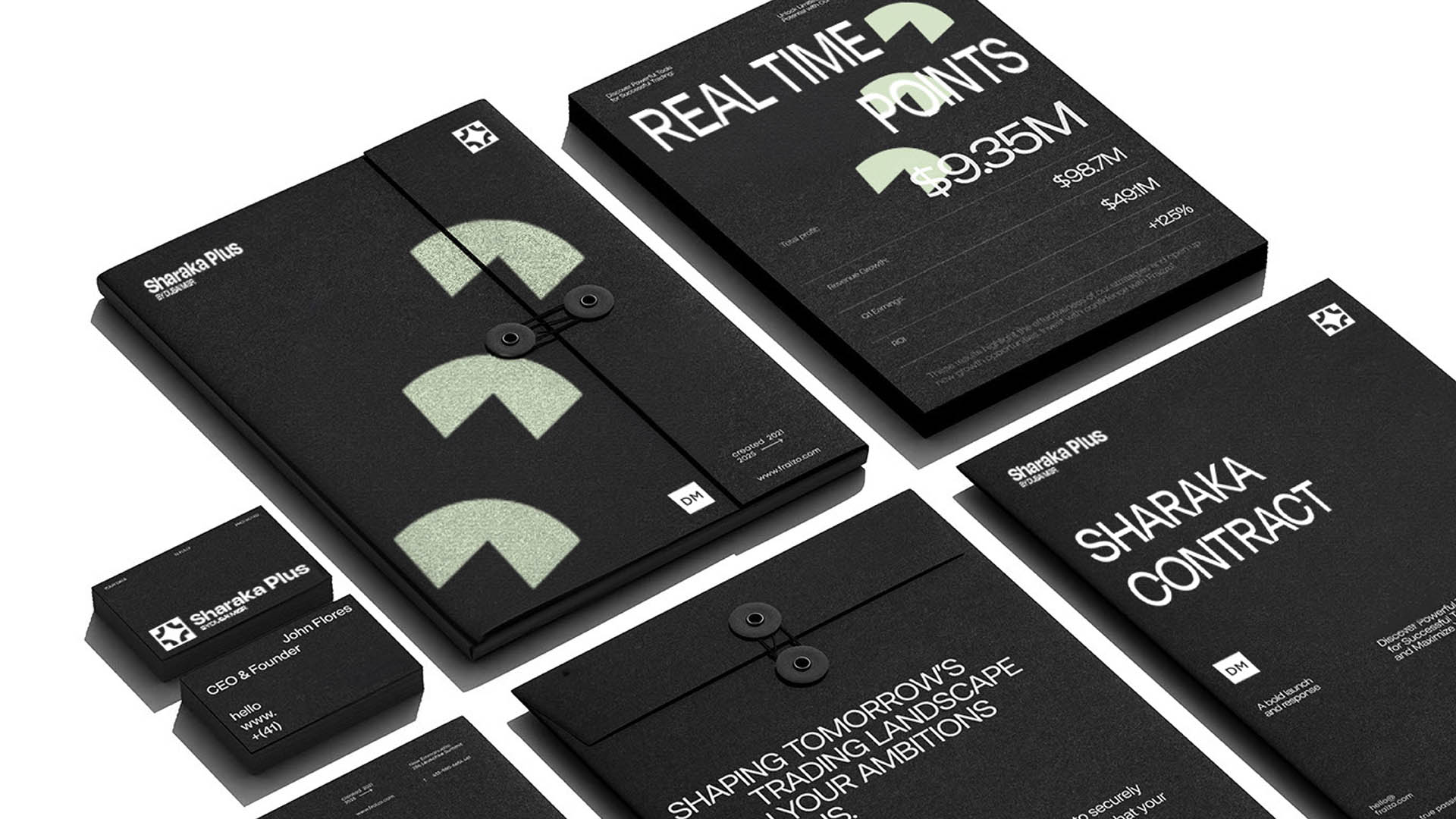
To see this in practice, consider our strategic execution for Dubai Misr during their Sharaka Plus project. We engineered their visual identity to ensure absolute consistency across all investor touchpoints. By unifying their typographic hierarchy, utilizing premium monochromatic imagery, and strictly controlling the cognitive pacing, we guaranteed that their core strategic shift—moving relationships from “Transaction” to “Contribution”—carried the same institutional weight in every single boardroom presentation.
Mastering brand consistency ensures that whether an investor sees your billboard in Cairo or reviews your pitch deck in Riyadh, the institutional stability of your brand remains absolute.
 3. Focus on Strategic Branding Improvement
Expansion should elevate your brand, not dilute it. When upgrading your visual identity to match new market demands, you must focus on strategic branding improvement. This means refining your core visual narrative and cognitive pacing without abandoning the heritage that built your initial market trust.
Stop leaving your corporate valuation to chance. Discover how to avoid brand dilution and secure your market authority by booking a strategic consultation with Native Studio today.
Call us Whats appFill out the form to bulletproof your brand
The Native Studio Approach to Brand Equity Protection
Understanding how to avoid brand dilution is only the first step; executing the solution requires specialized expertise. When high-stakes investments and enterprise reputations are on the line, generic design templates will only accelerate dilution.
At Native Studio, our strategic branding services act as the visual guardians of your corporate identity. We do not just design logos; we engineer institutional-grade visual identities. By restructuring your information architecture and managing the cognitive load of your materials, we ensure your brand commands boardroom authority, no matter how fast you scale. We strip away the visual clutter that causes dilution and replace it with a unified, premium corporate narrative.
FAQs on How to Avoid Brand Dilution
What is a real-world example of brand dilution?
A classic example occurs when a luxury real estate developer, known for premium residential compounds, launches a budget-friendly commercial plaza using the exact same visual identity. This immediately confuses high-net-worth investors, devalues the core brand's premium positioning, and causes severe brand dilution.
What are the main causes of brand dilution?
The primary triggers are rapid corporate expansion without strict visual governance, aggressive mergers and acquisitions (M&A) that lack strategic brand integration, and decentralized marketing teams launching campaigns with inconsistent typography, messaging, and visual architecture.
How does brand dilution affect a company’s value?
Brand dilution directly destroys corporate valuation by creating market confusion. When a brand loses its distinct institutional authority, investor confidence drops, customer loyalty weakens, and the company is forced to compete on price rather than premium market positioning.
What is the difference between brand extension and brand dilution?
Brand extension is the successful leveraging of a strong brand identity to enter new markets or product lines while maintaining core corporate values. Brand dilution is the negative consequence of an extension that is poorly executed, which confuses the target audience and weakens the original brand's equity.
How can enterprise companies prevent brand dilution?
Enterprises can prevent dilution by treating their corporate identity as a protected financial asset. This requires conducting regular brand audits, establishing strict centralized brand guidelines, and ensuring unwavering visual consistency across all touchpoints, from boardroom pitch decks to outdoor advertising (OOH).
Can a company recover from brand dilution?
Yes, but it requires strategic executive intervention. Recovery involves a comprehensive brand audit to identify the structural fractures, followed by a targeted corporate rebranding or realignment strategy to strip away visual clutter and restore the brand's original institutional authority.
How do you measure or identify brand dilution?
Brand dilution is identified through key indicators such as declining brand loyalty, increased price sensitivity among clients, confusion among investors regarding your core offerings, and glaring visual inconsistencies across digital platforms, billboards, and corporate presentations.
Does co-branding cause brand dilution?
Co-branding can cause severe dilution if an enterprise partners with a brand that possesses a lower market perception or conflicting corporate values. To avoid this, partnerships must be strictly vetted to ensure visual and strategic alignment that elevates both entities.
Why is brand consistency important for real estate developers?
In real estate, developers sell multi-million-dollar visions before ground is even broken. Brand consistency builds the institutional trust required to close these massive deals. Any visual discrepancy in a pitch deck or billboard can signal operational instability to sovereign wealth funds and private investors.
How often should a company conduct a brand audit?
Enterprise companies should conduct a comprehensive brand audit annually. Additionally, mandatory audits must be executed before major corporate milestones, such as launching a new real estate phase, entering a new regional market, or initiating a new round of investment funding.
The Final Verdict on Preserving Your Brand
To truly master how to avoid brand dilution, you must stop viewing design as a mere aesthetic choice and start treating it as the ultimate defense mechanism for your business logic. Protect your brand equity by auditing your current standing, enforcing absolute consistency, and partnering with experts who understand the psychology of high-level persuasion.
If your enterprise is preparing for expansion, a new real estate launch, or a major investment round, contact Native Studio today to bulletproof your corporate identity.
Call us Whats appFor a deeper understanding of how to protect your corporate identity, explore the Digital Marketing Institute’s insights on strategic brand asset management.